
Linen
Linen is one of the strongest natural fibres available. It softens beautifully with repeated washing while retaining its durability.
Care tips
- Wash in cool to warm water.
- Linen becomes softer with each wash.
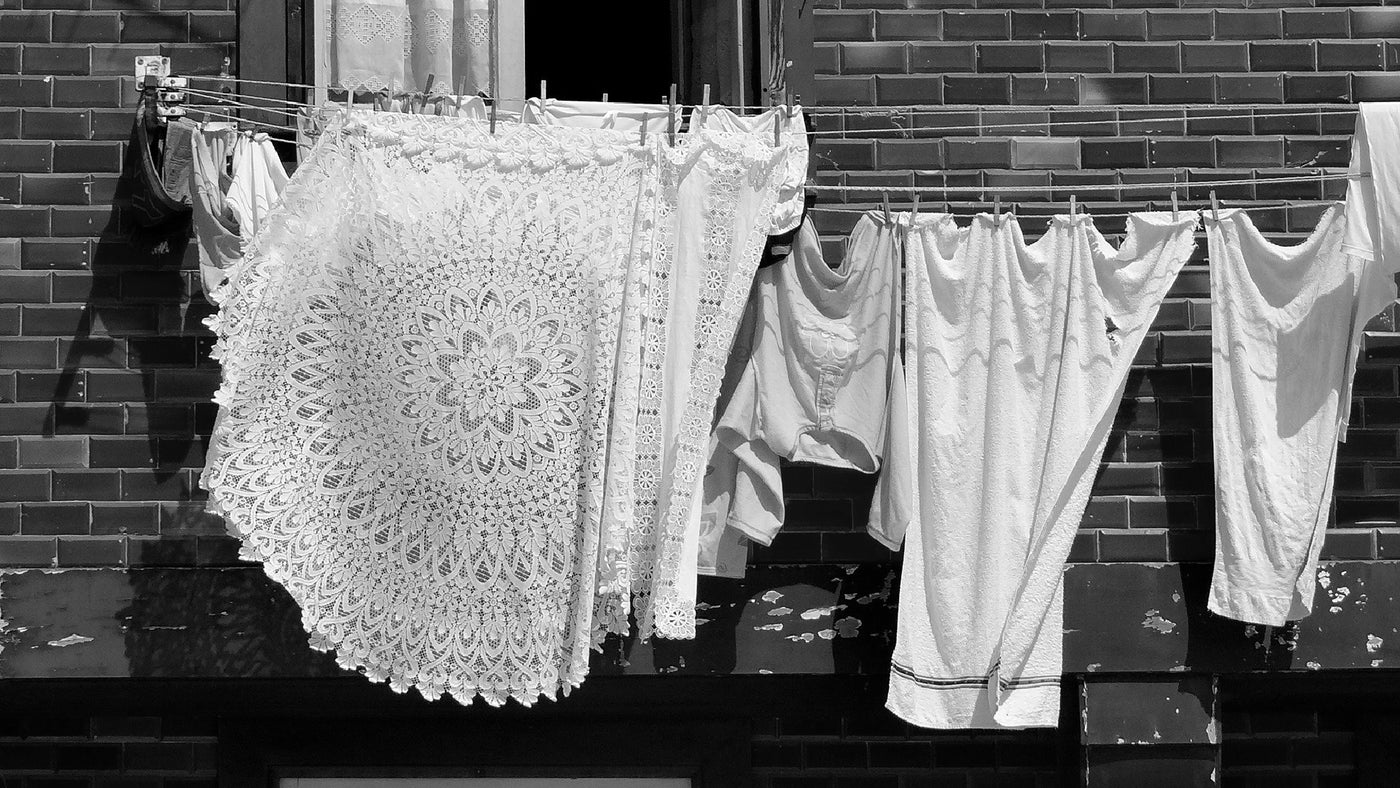
- Avoid over-drying, which can make fibres brittle over time.
- For a smooth finish, iron while slightly
damp. - For a relaxed look, line dry and fold.
- With regular use and care, linen textiles
can last for decades.

Organic Cotton
Organic cotton is breathable, comfortable, and easy to care for. Because it is grown without synthetic pesticides or fertilisers, it is kinder to soil systems and the people who work with it. Cotton fibres respond well to regular washing and become softer with use.
Care tips
- Wash in cool or warm water.
- Avoid high-heat drying to preserve fibre
strength. - Line drying will help maintain colour and
structure.

Hemp
Hemp is an extremely durable plant fibre. It has been used for centuries in clothing, ropes, sails, and household cloths because of its exceptional strength. It has anti-mould properties, so it does not discolour over time like linen can. Hemp fibres soften gradually with washing while maintaining their structural integrity.
Care tips
- Wash in cool or warm water.
- Line drying is recommended
- Hemp textiles become softer over time

Repair & Continued Use
For most of history, textiles were repaired rather than replaced. A small tear or worn edge was simply part of the life of a well-used cloth.
Simple mending, such as a small stitch, patch, or reinforcement, can extend a textile’s life for many years. These repairs often become part of the piece's character.
A kitchen cloth, table linen, or garment that has softened through years of washing and use carries its own quiet history. Caring for textiles in this way is both practical and respectful of the materials and labour that go into making them.